Žižkov District: Prague’s Most Pub-Dense Neighborhood and Why It Matters
If you land in Prague and someone tells you to skip Žižkov, ignore them. This working-class district on the eastern edge of the city center has more traditional Czech pubs per square kilometer than anywhere else in the country. That stat alone makes it worth your attention, but the neighborhood rewards deeper exploration. It has a personality that the tourist-polished streets of the Old Town simply lack.
What Makes Žižkov Different
Žižkov was an independent municipality until 1922, and it has never fully shed that identity. The area grew as a refuge for factory workers, radicals, and people who preferred cheap beer over polite society. That history left a physical mark. The streets are dense, slightly chaotic, and lined with buildings that range from faded Habsburg-era apartment blocks to brutalist constructions from the communist period.
The neighborhood was named after Jan Žižka, the legendary Hussite military commander whose enormous equestrian statue sits on Vítkov Hill overlooking the district. That statue, cast in 1950, is one of the largest bronze equestrian statues in the world. It sets the tone. Žižkov has always had an appetite for the oversized and the defiant.
The Pub Culture: Numbers and Reality
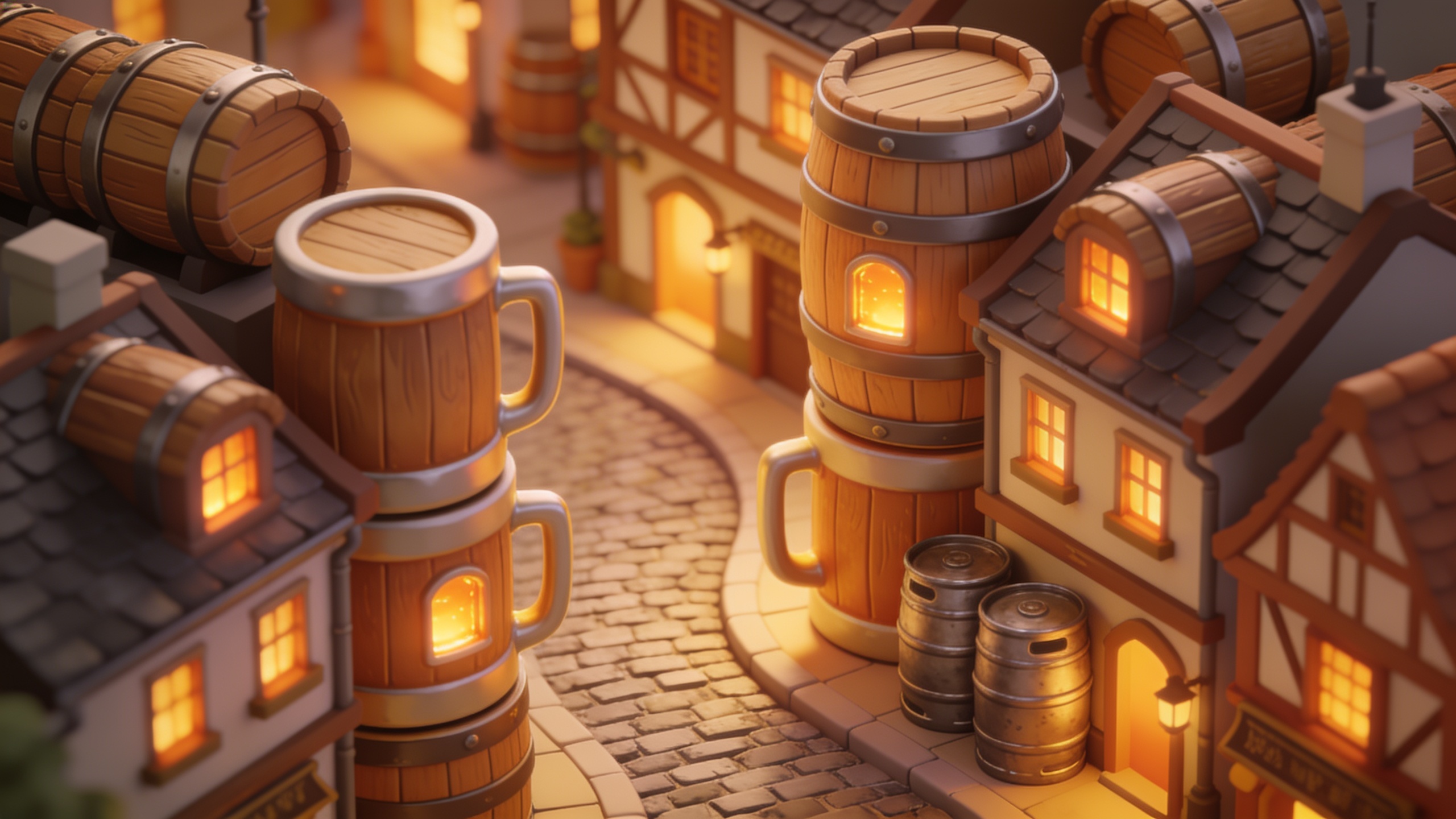
The claim about pub density is real. Estimates put the number of traditional hospody (Czech pubs) at somewhere between 200 and 250 within the district boundaries, which covers roughly 6.5 square kilometers. That works out to more than 30 pubs per square kilometer. Prague as a whole averages a fraction of that figure.
These places follow the classic Czech format. Beer on tap, usually Pilsner Urquell, Kozel, or a local brand. Simple food like svíčková (beef sirloin in cream sauce) or fried cheese. Wooden tables, cigarette smoke in the older spots, and almost zero English on the menu. The atmosphere is the product, and the price is always fair.
| Pub Name | Known For | Neighborhood Vibe |
|---|---|---|
| Bukowski’s Bar | Literary theme, late-night crowd | Eclectic, younger |
| Blind Eye | International craft beer | Relaxed, mixed crowd |
| Pivovar Žižkov | Brewed on-site, Czech staples | Traditional, local |
| U Vystřelenýho Voka | Classic Czech hospoda | Authentic, no-frills |
| Parukářka Beer Garden | Outdoor tables, park setting | Casual, seasonal |
Prices stay well below Prague 1 levels. A half-liter of draft beer typically runs 40 to 55 CZK in most Žižkov pubs, compared to 90 CZK or more in tourist-facing venues near the Charles Bridge.
How to Navigate the District
Žižkov rewards walking. The main artery is Seifertova street, which runs from Florenc bus station eastward into the heart of the district. Most of the serious pub streets branch off this spine. Bořivojova is the one locals mention first: a long residential street with pubs at almost every other door.
A few practical tips for getting the most from a night here:
- Start early by Czech standards. Many traditional pubs fill up by 7 PM on weekdays.
- Carry cash. Smaller hospody often skip card terminals entirely.
- Learn two Czech phrases: “jedno pivo, prosím” (one beer, please) and “účet, prosím” (the bill, please). Staff appreciate the effort.
- Eat before or during drinking. The food in most pubs is hearty, affordable, and worth ordering.
- Go on a Tuesday or Wednesday. Weekends bring some crowds, but mid-week Žižkov feels like a city secret.
The tram network connects Žižkov well to the rest of Prague. Lines 5, 9, and 26 pass through or near the district, and the walk from Náměstí Míru metro station takes about fifteen minutes.
Beyond the Pubs: What Else Žižkov Has
The pubs are the headline, but the district holds other things worth your time. The Prague Television Tower on Mahlerovy sady is impossible to miss. It stands 216 meters tall, went up between 1985 and 1992, and has ten crawling baby sculptures fixed to its exterior, a 2000 installation by artist David Černý. Love it or find it unsettling, the tower is one of the most distinctive structures in Central Europe, and the observation deck gives you a view of Prague that most visitors never see.
The New Jewish Cemetery on Izraelská street is one of the largest in Europe and holds the grave of Franz Kafka. It is a quiet, well-maintained place that carries genuine historical weight. Worth an hour in the daytime.
Žižkov also has a growing arts and music scene. Small venues like Palác Akropolis, a converted cinema on Kubelíkova street, host everything from world music to underground electronic acts. The building has a bar, a café, and a theater space, and its programming is consistently interesting.
Who Visits Žižkov and Why
The crowd here is a mix of long-term Prague expats, Czech locals who grew up in the district, younger Praguers priced out of trendier areas, and travelers who did their research. You see almost no stag parties and almost no guided tour groups. That alone changes the atmosphere of a night out.
The district has gentrified at a slower pace than Vinohrady to the south or Holešovice to the north. Rents rose, some wine bars and specialty coffee shops appeared, but the core character held. The hospody did their part. When cheap, functional, socially honest pubs anchor a neighborhood, they slow the drift toward surfaces and aesthetics that strips other areas of their character.
Key Takeaways
Žižkov is the right place to spend at least one evening in Prague if you want something with actual texture. The pub density is real and the prices are honest. The Television Tower and Vítkov Hill add daytime interest. The neighborhood functions as a living example of how Prague worked before tourism became its primary industry.
Go on a weekday, walk Bořivojova from end to end, sit at a table without a translated menu, and order a beer. That is the experience. It still costs less than a coffee in Vienna, and it will tell you more about this city than any landmark tour.