Top 15 Things to Do in Prague for History Lovers
Prague is one of Europe’s most intact medieval cities, and that fact alone makes it extraordinary. Unlike much of Western Europe, Prague escaped the worst of World War II’s destruction, leaving behind a layered city where Romanesque crypts sit beneath Baroque churches, and Gothic towers frame Art Nouveau facades. If history is your reason for traveling, this city delivers at every turn.
Here are the 15 experiences I’d point any serious history lover toward.
The Old Town and Its Medieval Core
1. Prague Astronomical Clock (Orloj)
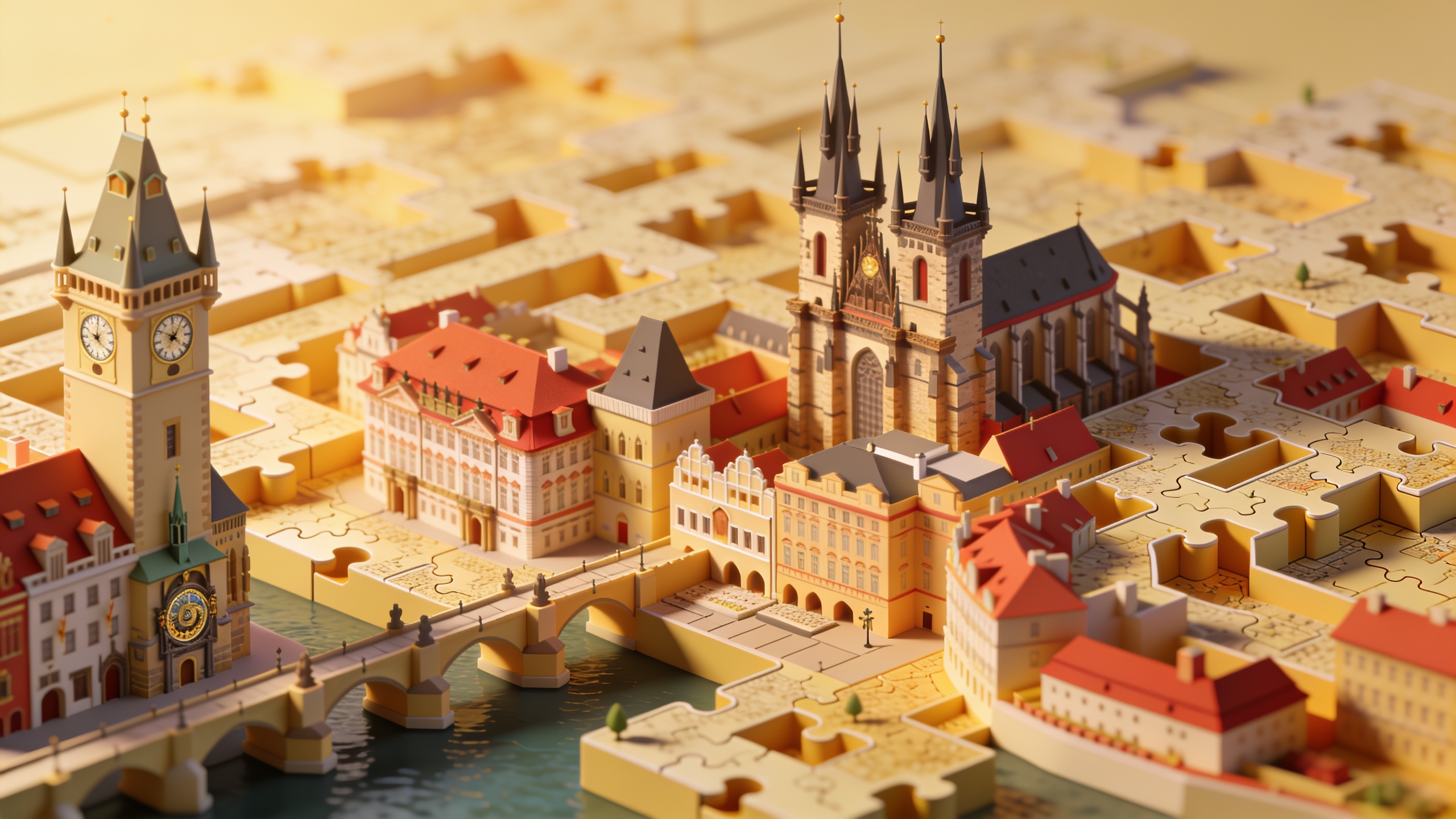
Installed in 1410, the Orloj on Old Town Square is the third-oldest astronomical clock in the world and the only one still operating. Every hour, the twelve Apostles cycle through the windows above the clock face. Climb the adjacent tower for a view over the terracotta rooftops and you’ll understand immediately why this city’s skyline has survived so many centuries of wars and upheaval.
2. Old Town Square
The square itself is an open-air history lesson. The Jan Hus Memorial at its center marks the 500th anniversary of the reformer’s execution in 1915. The Gothic Church of Our Lady Before Tyn has loomed over the square since the 14th century. Spend an hour here without rushing and you’ll absorb more than most guidebooks deliver.
3. Josefov, the Jewish Quarter
Josefov is compact but dense with significance. The Old Jewish Cemetery, in active use from the 15th to 18th centuries, has an estimated 100,000 people buried in layers up to twelve deep because the community had so little land. The six synagogues within the quarter, including the 13th-century Old-New Synagogue, trace a thousand years of Jewish life in Central Europe.
Prague Castle and Hradcany
4. Prague Castle Complex
At roughly 70,000 square meters, Prague Castle is the largest ancient castle complex in the world. It holds St. Vitus Cathedral, the Royal Palace, the Basilica of St. George, and the Golden Lane all within its walls. Budget a full day. The castle has been the seat of Bohemian kings, Holy Roman Emperors, and Czech presidents in turn.
5. St. Vitus Cathedral
Construction began in 1344 and the cathedral reached completion only in 1929, nearly six centuries later. The tombs inside include Charles IV, the Holy Roman Emperor who turned Prague into one of Europe’s great cities. The Wenceslas Chapel, covered in semi-precious stones and 14th-century frescoes, is worth the separate entrance fee alone.
6. Golden Lane
This narrow alley of tiny colored houses was built into the castle walls in the 16th century for the castle guard. Franz Kafka lived at number 22 briefly in 1916 and 1917. The houses now display medieval armor, weapons, and period furnishings that give a direct sense of castle life at various points across five centuries.
Beyond the Castle
7. Charles Bridge
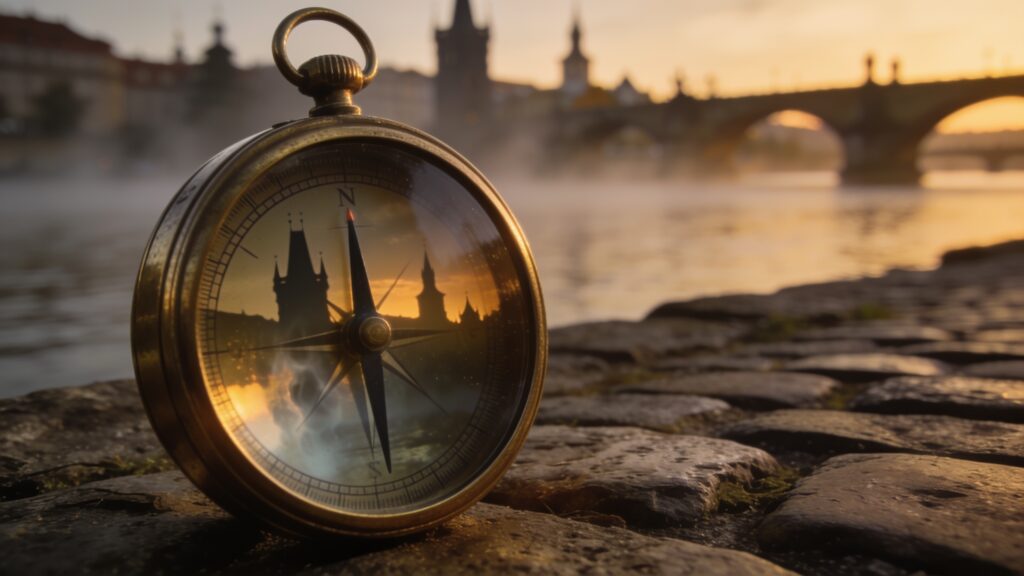
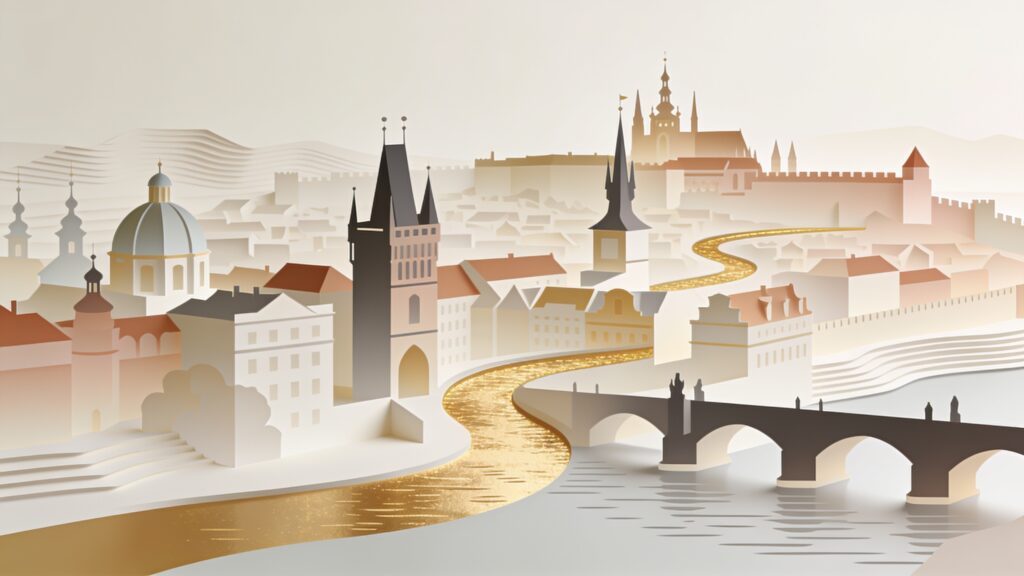
Built in 1357 under Charles IV, Charles Bridge was the only stone crossing over the Vltava in Prague for over four centuries. The 30 Baroque statues lining its parapets were added between 1683 and 1714. Cross it at dawn before the tour groups arrive and you’ll have one of the finest urban walks in Europe almost to yourself.
8. Vysehrad Fortress
Vysehrad sits on a cliff above the Vltava south of the city center. Historically it rivals Prague Castle as a symbol of Bohemian power. The cemetery here holds the graves of Antonin Dvorak, Bedrich Smetana, and Alphonse Mucha. The views downriver are superb and the crowds are a fraction of those at the castle.
9. Loreta Shrine
Built between 1626 and 1750, the Loreta complex on Hradcany hill is a Baroque pilgrimage site built around a replica of the Santa Casa from Nazareth. The treasury holds the Diamond Monstrance of 1699, set with 6,222 diamonds. It’s a lesser-visited spot, which is exactly what makes it rewarding.
Communist-Era History
10. Museum of Communism
Prague lived under Soviet-style communism from 1948 to 1989, and this museum handles that period with clarity and depth. Original propaganda, reconstructed interrogation rooms, and first-person accounts give the era texture that a simple timeline approach would lose.
11. Zizkov Television Tower
Opened in 1992, the tower was constructed during the communist period and its brutalist scale made it deeply controversial. Ten giant crawling baby sculptures by David Cerny now cover its surface. It’s a striking artifact of late-20th-century political aesthetics.
Practical Information
| Site | Admission (approx.) | Best Time to Visit |
|---|---|---|
| Prague Castle Complex | 250 CZK (basic circuit) | Early morning |
| Josefov Synagogues | 500 CZK (combined ticket) | Weekday mornings |
| Museum of Communism | 290 CZK | Afternoon |
| Vysehrad | Free (cemetery ticketed) | Late afternoon |
| Old Town Tower climb | 150 CZK | Midday for light |
Lesser-Known Gems Worth Your Time
- The Rotunda of the Holy Cross on Karoliny Svetle Street, a Romanesque chapel from around 1100
- Strahov Monastery Library, with ceiling frescoes and a philosophy hall dating to 1794
- The Mucha Museum near Wenceslas Square, dedicated to Art Nouveau master Alphonse Mucha
- Nusle Bridge, a 1970s communist-era megastructure with a dark history
- St. Agnes Convent, the first Gothic building in Bohemia, founded in 1231
Key Takeaways
Prague rewards slow, deliberate exploration. The density of history per city block is extraordinary, and the temptation to rush between highlights means most visitors miss the texture that makes this city so compelling.
My honest recommendation is to anchor your days around two or three sites rather than attempting a full checklist sprint. Pair a morning at Prague Castle with an afternoon in Josefov. Walk Charles Bridge early. Save Vysehrad for a late afternoon when the light is low and the crowds have gone.
If you’re visiting Prague with history as your focus, this city is worth at least four full days. Book your accommodation close to the Old Town, get a transit pass, and let the city’s layers reveal themselves at a pace that does them justice.